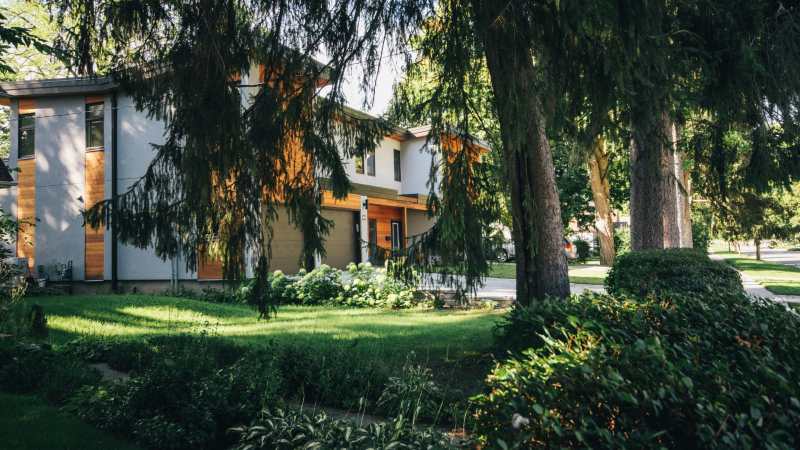
Creating a greener lifestyle begins with intentional choices that transform our living spaces into efficient, responsible, and resource-conscious environments. By implementing sustainable home and garden tips for eco-friendly living, we reduce waste, conserve energy, and cultivate healthier surroundings. Below, we present a comprehensive guide filled with practical, high-impact strategies designed to elevate sustainability standards in every corner of the home and garden.
Sustainable Home Design: Building an Eco-Conscious Foundation
A truly sustainable lifestyle begins with the structure itself. Eco-friendly home design integrates energy efficiency, durable materials, and smart layouts that minimize environmental impact.
We prioritize natural lighting optimization by installing larger, strategically placed windows and skylights. This reduces dependence on artificial lighting and enhances indoor well-being. Complementing this approach with LED lighting systems significantly lowers electricity consumption and extends bulb lifespan.
Using sustainable building materials such as reclaimed wood, bamboo flooring, recycled steel, and low-VOC paints ensures reduced carbon emissions and healthier indoor air quality. Insulation also plays a vital role. High-performance insulation materials prevent energy loss, stabilize indoor temperatures, and reduce heating and cooling costs year-round.
Energy Efficiency at Home: Reducing Consumption Without Compromise
Improving energy efficiency at home is one of the most impactful steps toward eco-friendly living.
We implement the following strategies:
- Install smart thermostats to regulate heating and cooling efficiently.
- Upgrade to Energy Star-certified appliances for optimal performance with minimal power usage.
- Integrate solar panels to harness renewable energy and decrease reliance on fossil fuels.
- Use energy-efficient windows and doors to prevent drafts and maintain temperature control.
Unplugging electronics when not in use eliminates phantom energy drain. Additionally, installing ceiling fans enhances airflow and reduces the need for excessive air conditioning.
Water Conservation Strategies for Sustainable Living
Water is one of our most precious resources. Sustainable living requires proactive conservation efforts.
We adopt low-flow faucets, showerheads, and dual-flush toilets to significantly decrease water consumption. Collecting rainwater through rain barrels provides a free, eco-friendly source for garden irrigation.
In landscaping, drip irrigation systems deliver water directly to plant roots, minimizing evaporation and waste. Mulching garden beds helps retain soil moisture, reducing the need for frequent watering.
Repairing leaks immediately and monitoring water usage ensures continuous conservation.
Zero-Waste Practices for a Greener Household
Reducing household waste dramatically lowers environmental impact. We commit to zero-waste living principles by minimizing single-use plastics and prioritizing reusable alternatives.
Key practices include:
- Switching to reusable shopping bags, glass containers, and stainless-steel bottles.
- Composting kitchen scraps to reduce landfill waste.
- Buying in bulk to decrease packaging waste.
- Choosing products with minimal or biodegradable packaging.
Establishing a well-organized home recycling station ensures proper waste separation and encourages responsible disposal habits.
Eco-Friendly Cleaning Solutions for a Healthier Home
Traditional cleaning products often contain harmful chemicals. We replace them with natural, non-toxic cleaning alternatives made from simple ingredients like vinegar, baking soda, and lemon.
Using plant-based, biodegradable cleaning products protects indoor air quality and reduces chemical runoff into water systems. Microfiber cloths and reusable mop pads eliminate the need for disposable wipes, further supporting sustainable practices.
Sustainable Garden Planning for Eco-Friendly Outdoor Spaces
The garden serves as a powerful extension of sustainable living. Through thoughtful planning, we create thriving ecosystems that support biodiversity.
We prioritize native plants because they require less water, fewer fertilizers, and minimal maintenance. Native species also attract pollinators such as bees and butterflies, strengthening local ecosystems.
Designing gardens with permaculture principles enhances soil health, encourages natural growth cycles, and reduces dependency on synthetic chemicals.
Organic Gardening Methods for Healthy Soil and Plants
Healthy soil forms the backbone of a sustainable garden. We enrich soil naturally through organic composting, crop rotation, and natural fertilizers such as compost tea and worm castings.
Avoiding synthetic pesticides and herbicides protects beneficial insects and maintains ecological balance. Instead, we implement integrated pest management techniques, including companion planting and natural predators.
Raised garden beds constructed from reclaimed wood enhance drainage and soil control while reducing resource waste.
Sustainable Lawn Alternatives to Reduce Environmental Impact
Traditional lawns demand excessive water, fertilizers, and maintenance. We transition to eco-friendly lawn alternatives such as clover lawns, ornamental grasses, or ground covers like creeping thyme.
These alternatives require minimal irrigation and mowing while providing visual appeal and biodiversity support. Incorporating hardscaping elements such as gravel paths and permeable pavers reduces water runoff and improves drainage.
Composting Systems for Sustainable Waste Management
Composting transforms organic waste into nutrient-rich soil amendments. We establish efficient home composting systems using backyard bins, tumblers, or vermicomposting setups.
Composting reduces methane emissions from landfills and supplies gardens with natural fertilizers. Proper layering of greens (vegetable scraps) and browns (dry leaves) ensures balanced decomposition and odor control.
Eco-Friendly Outdoor Furniture and Decor
Outdoor living areas can reflect sustainability through mindful material selection. We choose recycled plastic furniture, FSC-certified wood, and metal pieces made from recycled materials.
Solar-powered garden lights eliminate wiring and reduce electricity consumption. Decorative elements crafted from reclaimed materials add character while minimizing environmental impact.
Indoor Plants for Improved Air Quality
Bringing greenery indoors enhances air purification and aesthetic appeal. We incorporate low-maintenance indoor plants such as snake plants, pothos, and peace lilies to improve oxygen levels and reduce airborne toxins.
Vertical gardens and living walls maximize space efficiency while promoting natural humidity regulation within the home.
Sustainable Food Practices from Garden to Table
Growing our own food fosters food security and reduces carbon footprints associated with transportation. We cultivate organic vegetables, herbs, and fruits using seasonal planting strategies.
Preserving surplus produce through drying, fermenting, or freezing prevents food waste. Supporting local farmers and purchasing seasonal products strengthens community-based sustainability.
Green Technology Integration for Modern Eco Living
Modern innovations accelerate sustainable transformation. We integrate:
- Smart irrigation controllers
- Home energy monitoring systems
- Electric vehicle charging stations
- Battery storage solutions for solar energy
These technologies enhance efficiency, reduce emissions, and align with long-term environmental goals.
Creating a Sustainable Mindset for Long-Term Impact
Sustainability extends beyond physical upgrades; it requires daily commitment. We cultivate mindful habits such as reducing consumption, repairing instead of replacing, and supporting ethical brands.
Educational engagement within families ensures that eco-conscious values pass to future generations. Small, consistent actions collectively create measurable environmental change.
Conclusion: Transforming Homes and Gardens into Sustainable Havens
Implementing sustainable home and garden tips for eco-friendly living empowers us to create healthier spaces while minimizing ecological footprints. From energy-efficient home improvements to organic gardening practices and zero-waste systems, each strategy contributes to a cohesive, responsible lifestyle.
By embracing renewable energy, conserving water, reducing waste, and nurturing biodiversity, we redefine modern living with purpose and precision. Sustainable homes and gardens are not temporary trends—they represent a practical, long-term commitment to environmental stewardship and resilience.